
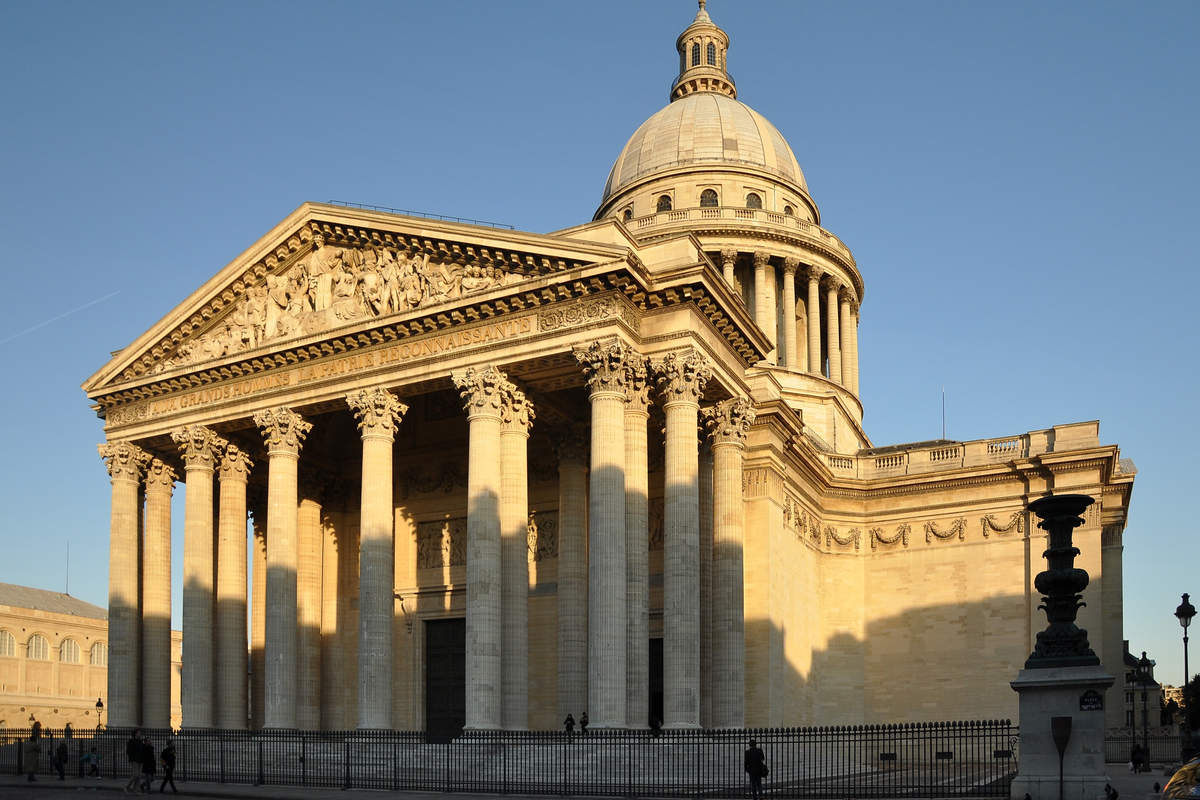
On June 23, 2026, Marc Bloch and his wife, Simonne Vidal, will symbolically enter the Panthéon, completing a republican rite that recognizes the extraordinary contribution of the founder of the Annales School to French historiography. This pantheonization honors not only a visionary scholar, but also a soldier and resistance fighter whose legacy continues to inspire generations of researchers and citizens committed to truth and freedom.
Marc Bloch: A multifaceted figure finally receiving broad recognition
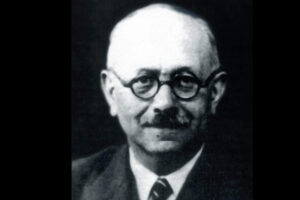
Marc Bloch represents an exceptional life that transcends the traditional divide between academia and civic engagement. A towering figure for historians and the social sciences, he remains paradoxically little known to the wider public, making this induction all the more symbolic. The French historian transformed his discipline through groundbreaking methodological innovations and through his direct involvement in the major issues of his era.
His admission to the Panthéon reflects a desire to share his intellectual and moral legacy with new generations. Three fundamental pillars explain this solemn recognition: his major scholarly work, his innovative teaching, and his unwavering courage.
The pantheonization ceremony
Key stages of the ceremony
The ceremony follows a carefully choreographed protocol marked by highly symbolic moments. It begins outside the monument with the gradual arrival of the coffins along Rue Soufflot, allowing the public to accompany the procession to the forecourt of the Panthéon, a place deeply imbued with republican significance.
At the heart of the ceremony is the solemn crossing of the threshold by the coffins carried by members of the Republican Guard. The Great Bronze Doors, normally closed, are opened especially for the occasion, symbolizing the deceased’s definitive entry into the Panthéon and admission among those who have contributed to the glory of France.
Presidential tribute and placement in the crypt
Once inside the monument, the coffins are placed at its center to receive the tribute of the President of the Republic, a moment when the nation as a whole bows before the memory of a great figure. This official homage forms the emotional and political centerpiece of the ceremony, publicly acknowledging the significance of the deceased’s contribution to French history.
After a vigil maintained by the Republican Guard, the coffins descend into the crypt, where they join the other men and women honored by the nation. Their final placement signifies permanent integration into France’s collective memory.
Simonne Vidal: the historian’s wife finally receiving recognition
Marc Bloch’s induction is accompanied by the symbolic entry of his wife, Simonne Vidal, in recognition of the vital role she played in his life and work. Mother of six children, whom she raised while supporting her husband’s scholarship, Simonne Vidal made an essential though often invisible contribution to his intellectual achievements.
Although she died in Lyon in 1944 and her remains could not be formally identified, her inclusion in the Panthéon carries profound symbolic meaning. It represents a belated but solemn acknowledgment of the women who stood behind many of France’s great thinkers and helps restore their place in history.
Organizing a state ceremony
Leadership by the Presidency and Government Ministries
The pantheonization is a major state event coordinated directly by the Presidency of the Republic in close cooperation with several ministries. The National Monuments Center oversees the project as administrator of the Panthéon, while a steering committee brings together ministries reflecting the many dimensions of Marc Bloch’s life.
The Ministry of Culture coordinates cultural and memorial aspects. The Ministry of the Armed Forces is involved because of Bloch’s military service in both world wars. The Ministry of the Interior and the Ministry of National Education handle public security and educational outreach. Finally, the Ministry of Higher Education and Research oversees the scholarly and academic dimensions of this national tribute.
The role of the family and practical arrangements
The Bloch family, which includes six children and numerous descendants, has played a central role in preparing the ceremony. Suzette Bloch, Marc Bloch’s granddaughter, and Matis Bloch, his great-grandson, were chosen to represent the family in discussions and decisions concerning the induction.
One distinctive aspect of this ceremony is the family’s wish that Marc Bloch’s remains remain buried in Bourg d’Hem, in the Creuse region, where he has rested since 1977 alongside his six children. As a result, the ceremony is symbolic rather than involving the transfer of his remains. Cenotaphs—empty symbolic tombs—will be installed in the crypt, and the names of Marc and Simonne Bloch will be permanently engraved on its walls, allowing visitors to pay tribute and reflect upon their legacy.
Marc Bloch the fighter : soldier, resistance member, and seeker of truth
The ceremony highlights Marc Bloch’s fighting spirit, both literally and figuratively. Literally, his commitment to defending France and the Republic was demonstrated through his service in both world wars and his clandestine involvement in the Resistance during the Nazi occupation. This courageous aspect of his life remains little known to many.
Figuratively, Bloch was an unrelenting champion of methodological rigor and historical truth. Alongside Lucien Febvre, he founded the Annales School and revolutionized historical inquiry by moving beyond event-based narratives to explore the social, economic, and mental structures shaping human societies. His intellectual rigor and relentless search for truth explain why his ideas remain profoundly relevant more than seventy-five years after his death.
A legacy for future generations
A message for young people
One explicit aim of the induction is to introduce a major historical figure to the broader public, especially younger generations. This educational mission is crucial in transmitting the values embodied by Marc Bloch: clarity of thought, courage, conviction, and resilience in the face of adversity.
Since the official announcement of his entry into the Panthéon, the response from academic and educational communities has been remarkable. The Ministry of National Education has already recorded thousands of initiatives and educational projects devoted to Marc Bloch and his work. This intellectual vitality demonstrates the enduring relevance of his message: truth must never yield to convenience, and scientific inquiry requires uncompromising moral discipline.
Permanent exhibition and free public access
Beyond the June 23 ceremony, the Panthéon has organized a series of initiatives to preserve and transmit Marc Bloch’s legacy. From June 25 to June 28, admission to the monument will be free, enabling everyone to pay tribute to Marc Bloch and his wife.
A major exhibition entitled Marc Bloch: The Spirit of History, curated by Yann Potin, will remain open until January 10, 2027. Through original archives, manuscripts, and other historical materials, visitors will discover the many facets of this remarkable figure: the methodological innovator, the devoted teacher, the courageous soldier, the committed resistance fighter, and the intellectual in the service of truth.
Keeping Marc Bloch’s inspiration alive
The pantheonization of Marc Bloch and Simonne Vidal represents far more than a commemorative ritual. It embodies the nation’s commitment to transmitting the values they exemplified to present and future generations. Marc Bloch stands as a model of the engaged intellectual, the rigorous scholar, and the courageous citizen—qualities that remain essential at a time when historical and scientific truth face constant challenges.
His revolutionary methods, his transformative teaching, and his ultimate sacrifice in defense of France and the Republic constitute an inexhaustible source of inspiration. Entry into the Panthéon marks not an end, but the beginning of a broader rediscovery of the “spirit of history” that Marc Bloch devoted his life to cultivating and transmitting.
Further Reading
“Marc Bloch at the Panthéon: Sharing the Historian’s Legacy” – French Ministry of Culture