
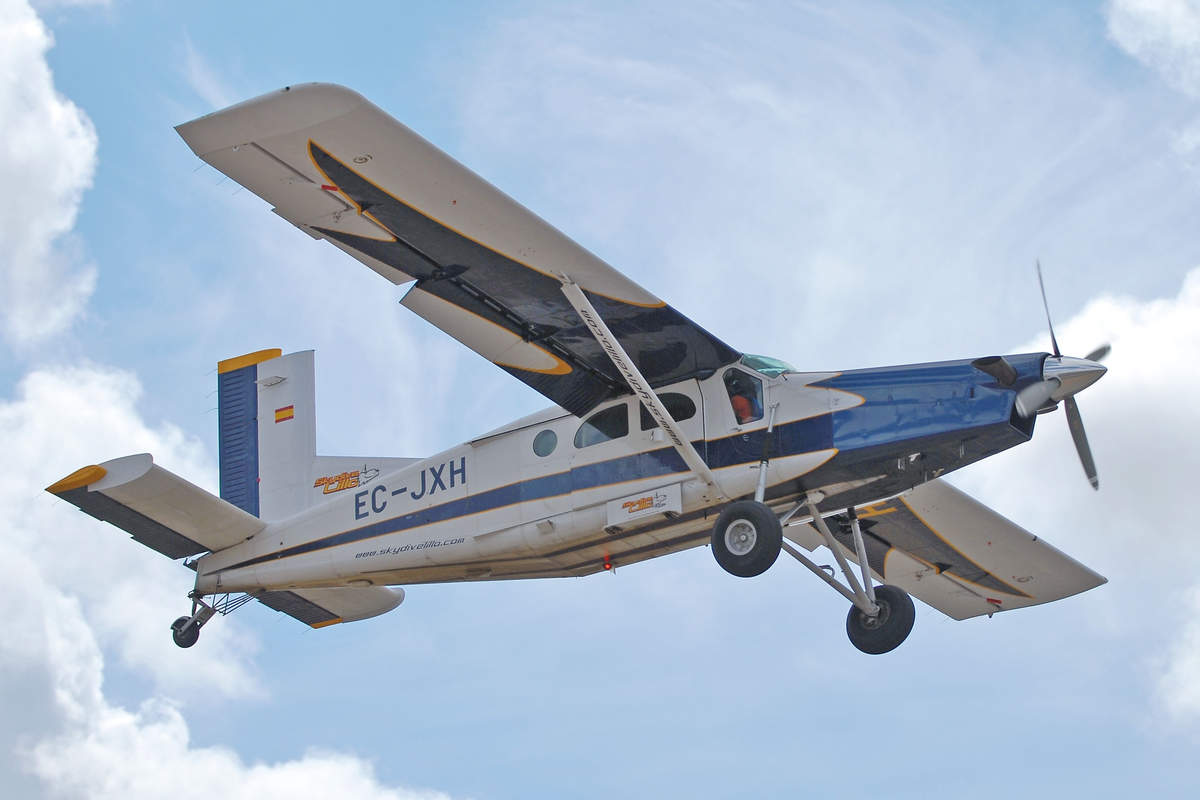
On Sunday, June 28, 2026, a Pilatus PC-6 crashed near Nancy in the town of Tomblaine, killing all eleven people on board. The victims included five experienced skydiving instructors, five first-time tandem skydivers, and one pilot. The accident is the deadliest general aviation disaster in France in several decades.
The Civilian Victims: Ordinary Lives Cut Short
Beyond the tragic death toll, the crash claimed the lives of individuals remembered by their families and friends for their dedication, kindness, and humanity.
Cynthia Vally: A Dedicated Healthcare Professional
Cynthia Vally, 48, was the mother of two children and served as Chief Operating Room Nurse at the Gentilly Polyclinic in Nancy, part of the Elsan healthcare group. Known for her professionalism and commitment to both patients and colleagues, she embodied the core values of the healthcare profession. Co-workers describe her as deeply compassionate and unwaveringly dedicated. Family and friends paid tribute on social media, remembering her warmth, kindness, and infectious zest for life.
Youssef El Idrissi: Devoted Father and Sports Enthusiast
Youssef El Idrissi, 48, an accountant from Tomblaine, was well known in the local sports community. A member of the GSA Tomblaine veterans soccer team, he was remembered as a warm-hearted, friendly man. A devoted father of two boys, he never missed one of his sons’ games. Friends from the club noted that he had not originally planned to be on the ill-fated flight, underscoring the unpredictable nature of the tragedy.
Damien Giacovelli: A Committed Healthcare Provider
Damien Giacovelli, a self-employed registered nurse based in Nancy, was also among the passengers. His career reflected a strong personal commitment to caring for others.
A High School Student and First-Time Skydivers
Among the victims was an 18-year-old high school student from Jarville-la-Malgrange. His identity has not been released out of respect for his family’s privacy. The four other civilian passengers had come to experience their first tandem skydive, a recreational activity designed to introduce newcomers to skydiving under the supervision of certified instructors.
The Skydiving Instructors: Five Highly Experienced Professionals Lost
Five certified skydiving instructors lost their lives in the crash, each bringing years of expertise and passion to the sport.
Davy Tellier: A Respected Professional Firefighter
Davy Tellier, 53, served as a senior non-commissioned officer in the professional fire service in southeastern France. His death deeply affected the regional fire and rescue community. Officials from the local fire service expressed their heartfelt condolences to his family, honoring his years of dedicated public service.
Filip Kovacevic: A Passion for Aviation
Filip Kovacevic, formerly employed by PSA in Mulhouse, specialized in refrigeration and air-conditioning systems. He later worked as a subcontractor for Veolia in Cernay while pursuing his passion for aviation and skydiving. Friends remembered him as a thoughtful mentor, generous with his knowledge and always eager to encourage others.
Anthony Planchon: The Pilot’s Final Act
Anthony Planchon, the pilot of the Pilatus PC-6, reportedly performed a final act of courage. According to witnesses, he steered the aircraft away from a vehicle in an apparent effort to avoid additional casualties on the ground. Fellow members of the Strasbourg skydiving school described him as someone who embraced life wholeheartedly, always organizing gatherings and sharing his love of aviation and skydiving. His enthusiasm and generosity leave a profound void among those who knew him.
Albéric Moulès: A Passionate Instructor
Albéric Moulès, 33, owned the company Vertical Addict in the Charente-Maritime region. Well known in New Caledonia, where he trained as a professional skydiver and instructor, he earned widespread respect for his outstanding teaching skills. A Facebook memorial group was created in his honor, reflecting the deep impact his death has had on the skydiving community.
The Crash and Weather Conditions
The accident occurred on Sunday, June 28, 2026, shortly after takeoff from Nancy-Essey Airport. The aircraft crashed near residential areas in Tomblaine but, despite the obvious danger, caused no fatalities on the ground. French Interior Minister Laurent Nuñez, who visited the scene shortly afterward, confirmed that the aircraft went down approximately 300 meters (about 980 feet) beyond the departure end of the runway.
The severe heat wave affecting France at the time has been identified as a possible contributing factor. High temperatures reduce the performance of light aircraft by decreasing engine power and lift. Aviation consultant and Aviation Sans Frontières President Gérard Feldzer noted that the extreme heat, combined with a heavily loaded aircraft and possibly full fuel tanks, may have significantly reduced the Pilatus PC-6’s takeoff performance.
The Aircraft: A Proven but Demanding Design
The Pilatus PC-6 is a Swiss-built single-engine aircraft widely used for mountain operations and skydiving. With more than sixty years of operational history, it is regarded within general aviation as a remarkably versatile and reliable aircraft, often described by aviation professionals as the “Swiss Army knife” of utility airplanes.
Nevertheless, its age raises questions regarding the maintenance status of the aircraft involved. Aircraft of this category require regular inspections by certified maintenance facilities. Investigators will examine when the last inspection was completed and who performed it. Although the PC-6 has an excellent engineering reputation, it has been involved in several accidents over its operational history, most often associated with demanding operating environments such as mountain flying and parachuting operations.
The Investigation: Challenges Without a Flight Recorder
Two parallel investigations have been launched to determine the cause of the accident. France’s Bureau of Enquiry and Analysis for Civil Aviation Safety (BEA) has dispatched investigators to the crash site, while a separate criminal investigation into involuntary manslaughter has been assigned to the Air Transport Gendarmerie.
No Flight Recorder
Unlike commercial airliners, the Pilatus PC-6 is not equipped with a flight data recorder or cockpit voice recorder. The absence of these devices significantly complicates the investigation. The only available recordings come from Nancy’s air traffic control tower, although authorities indicate that no radio communications appear to have taken place between the pilot and controllers during the aircraft’s final moments.
Evidence Available to Investigators
Investigators will focus on analyzing the wreckage for mechanical failures, reconstructing the flight path through eyewitness accounts, and reviewing the aircraft’s maintenance history. According to a nearby witness, the airplane appeared to approach normally before the engine suddenly went quiet, suggesting the possibility of an engine failure.
Engine Failure Scenarios
If the engine did indeed fail at an altitude of approximately 100 to 150 meters (330 to 490 feet), the pilot would have had only seconds to respond. Under such conditions, even immediate corrective action may not have been sufficient to prevent the crash. The pilot may have attempted to avoid nearby homes, but the aircraft likely lacked the altitude needed to complete an evasive maneuver safely. Standard aviation procedures advise pilots of single-engine aircraft not to attempt a turn back toward the runway after an engine failure shortly after takeoff, as such maneuvers can lead to an aerodynamic stall and loss of control.
A Tragedy That Will Shape General Aviation
According to France’s Bureau of Enquiry and Analysis for Civil Aviation Safety, this is the deadliest general aviation accident ever recorded in France in terms of fatalities. The investigation is expected to be lengthy and technically complex, requiring expertise in aeronautical engineering, mechanical systems, meteorology, and human factors.
For the grieving families, the investigation represents a painful search for answers about how eleven people could lose their lives just seconds after takeoff in an aircraft widely regarded as reliable. The outpouring of tributes across social media and regional news outlets reflects the profound emotional impact of this tragedy, extending far beyond the statistics of an aviation accident.
Determining the precise cause of the crash will be critically important for France’s general aviation community, particularly for skydiving schools that rely on aircraft such as the Pilatus PC-6. The investigation’s findings could influence future safety procedures, takeoff operating limitations, and maintenance standards for this class of aircraft throughout France and Europe.