
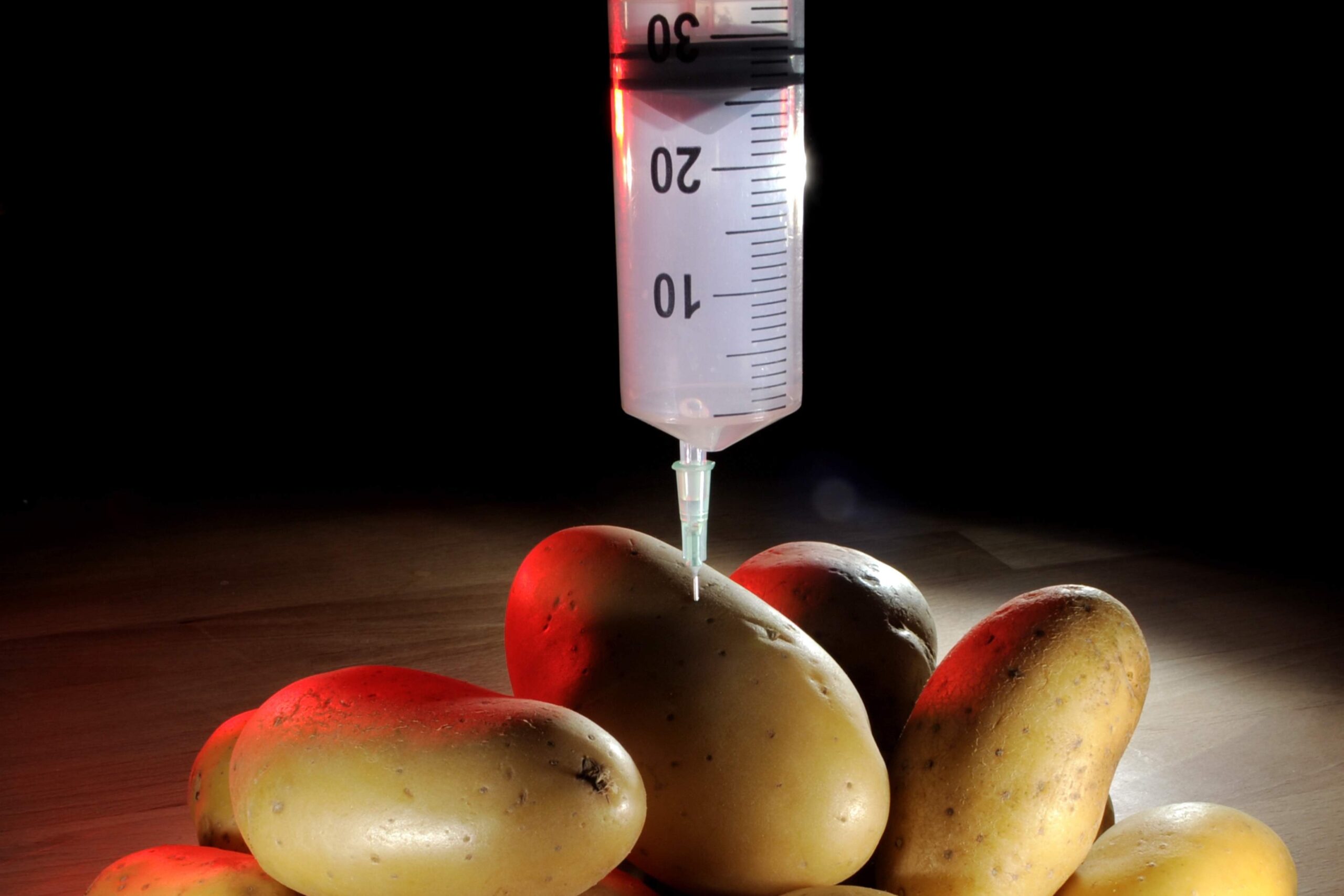
On June 17, 2026, the European Parliament formally adopted regulations governing “New Genomic Techniques” (NGTs), marking a major turning point for European agriculture.
The decision paves the way for a new generation of genetically modified crops capable of withstanding drought and disease, but it has also raised legitimate concerns about the privatization of living organisms and potential environmental risks. The debate has divided the continent, pitting supporters of technological innovation against advocates of traditional farming.
What are NGTs and how do they differ from traditional GMOs?
NGTs, or New Genomic Techniques, represent a significant advance in plant genome editing. Unlike first-generation genetically modified organisms, which involve introducing foreign DNA from different species, NGTs operate on a fundamentally different principle.
These techniques allow scientists to modify a plant’s genome using only genes originating from the same species. For example, it may now be possible to make a tomato more resistant to aphids by transferring a gene from another naturally resistant tomato variety. Although these plants are technically genetically modified organisms, seeds produced through NGTs are not transgenic—a distinction that plays a key role in European regulations.
Two categories of NGTs and different regulatory standards
The compromise negotiated by the European Commission and member states established a two-tier classification system. Category 1 NGTs, involving a limited number of naturally occurring mutations, will be treated as equivalent to conventional varieties and will benefit from partial deregulation.
By contrast, NGTs engineered for herbicide resistance or designed to produce insecticides will not be authorized for commercial use, in the interest of sustainability and environmental protection.
Another major restriction is that no NGT crops will be allowed in organic farming, creating a clear divide between agricultural production using these technologies and certified organic agriculture.
European agriculture confronts climate challenges
Supporters of NGTs—including major farming organizations such as Copa-Cogeca and leading European seed companies—argue that these technologies are essential for maintaining competitiveness and adapting to climate change. NGTs could significantly accelerate the development of crop varieties capable of tolerating severe drought and extreme heat, both of which are becoming increasingly common across Europe.
For some farmers, particularly in the French Caribbean territories, NGTs offer a practical solution to existing plant diseases. Banana plantations, for example, have been devastated by black Sigatoka, a destructive fungal disease against which NGTs could provide natural resistance. Such practical applications have helped mobilize support within the agricultural sector for the new regulations.
Advocates also emphasize that the European Union is creating a “sovereign European model” distinct from those of the United States and Brazil, with specific safeguards governing approved techniques and strict oversight of the sector.
Environmental concerns and the privatization of life
Critics of NGTs raise fundamental concerns about agricultural sustainability and intellectual property rights. According to opponents, the safety of NGTs for human health and the environment has not been sufficiently established through democratic processes. They are calling for mandatory traceability and a ban on patenting living organisms.
Farmers’ unions such as the Confédération Paysanne view NGTs as a “Trojan horse” for major seed and agrochemical corporations. Their primary concern is the gradual monopolization of seeds by a handful of agribusiness giants, forcing smaller seed companies and farmers to pay licensing fees. Critics argue that such a trend could accelerate crop uniformity and reduce agricultural biodiversity.
They also warn that increasing corporate control over genetic resources could marginalize small farmers and undermine their autonomy. Thomas Gibert, a market gardener in Haute-Vienne and spokesperson for the Confédération Paysanne, has described the issue as a “major risk” involving the “privatization” of life driven by the “ultra-powerful agribusiness lobby.”
The european parliament’s decision-making process
The European Parliament approved the NGT regulation on June 17, 2026, after rejecting all amendments proposed by Green and Socialist lawmakers. These amendments sought to make traceability mandatory and prohibit patent protection for NGTs, two measures strongly supported by left-wing parties and environmental groups.
The legislation ultimately received broad political support, ranging from the centrist Renew group to the far right, with backing from the European People’s Party. This unusual coalition illustrates how NGTs have transcended traditional political divisions, bringing together pro-competitiveness forces around a technological agenda.
Centrist Member of the European Parliament Pascal Canfin defended the measure, saying, “We have created a sovereign European model for new genomic techniques that will serve our farmers,” underscoring Europe’s geopolitical ambitions in the face of global agricultural powers.
Scientific assessments and the timeline for market introduction
The European Food Safety Authority (EFSA) endorsed the European Commission’s approach to authorizing NGTs. However, other scientific bodies have adopted a more cautious stance. In 2024, France’s National Agency for Food, Environmental and Occupational Health Safety (ANSES) recommended case-by-case evaluations of potential health and environmental risks before any products are marketed.
These differing approaches reflect the lack of a complete scientific consensus regarding the long-term implications of NGTs. Despite the swift adoption of the legislation, several years are expected to pass before foods produced using NGTs actually reach European consumers. The interval between the testing of new varieties and their commercial release will remain substantial.
Balancing innovation and caution
The legalization of NGTs marks a significant shift in Europe’s agricultural strategy in response to climate change and increasing global competition. Yet the move also highlights unresolved tensions between the drive for technological innovation and legitimate concerns regarding the environment, public health, and the concentration of economic power within the food sector.
The challenge now lies in the practical implementation of the NGT regulations. Safeguards such as the prohibition of herbicide-resistant NGTs and their exclusion from organic farming represent important protective measures. Nevertheless, the issue of mandatory traceability remains highly controversial, with major implications for consumer transparency and the protection of small farmers’ interests.
Ultimately, the success or failure of Europe’s NGT experiment will depend largely on the ability of regulators to ensure rigorous oversight, maintain transparent communication with the public, and continuously adapt regulations in light of emerging scientific evidence. Europe has embarked on a narrow path between necessary technological innovation and the precautionary principles that have long defined its approach.